
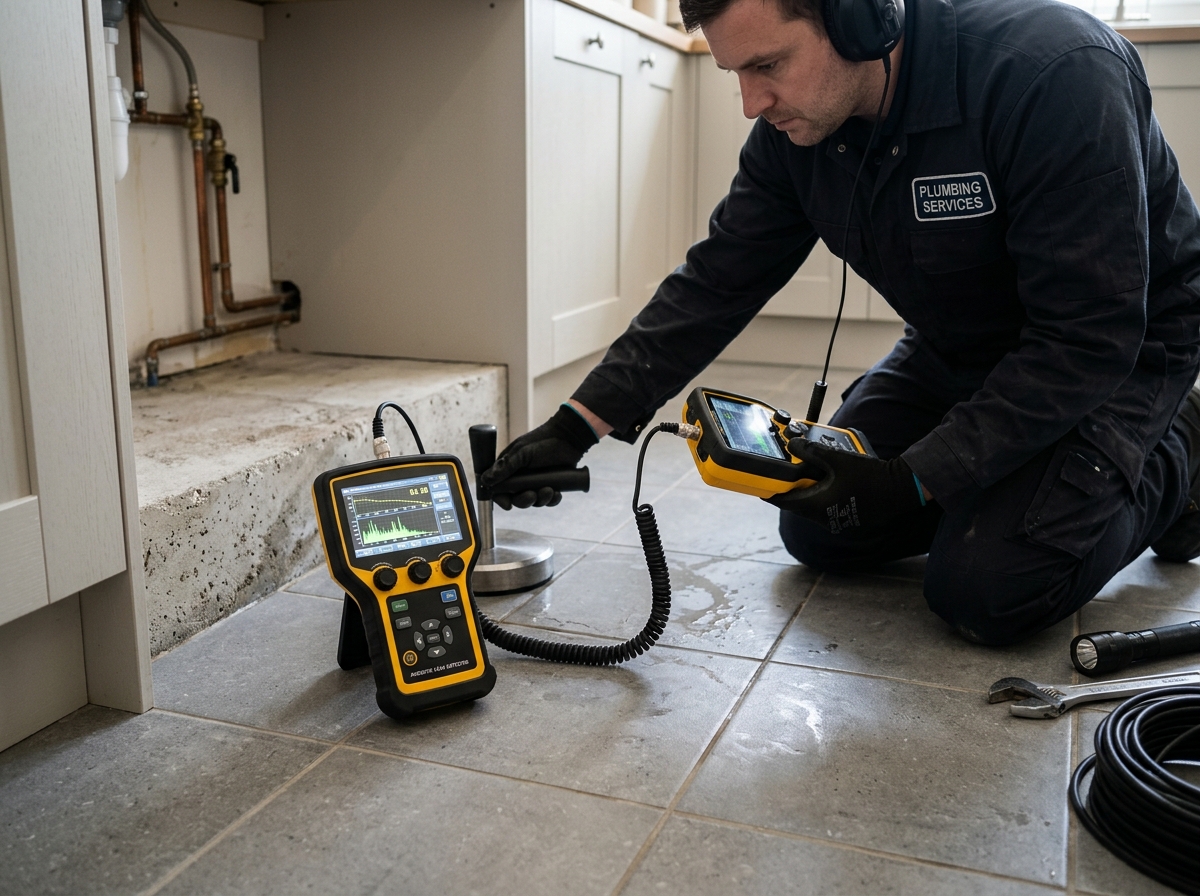
General Guidance on Slab Leaks and Homeowners Insurance
Dealing with an underground plumbing failure is stressful enough without getting caught unprepared by insurance paperwork. When filing a slab leak insurance claim Longview, homeowners often face unfamiliar terminology and complex policy clauses. Please note that the information on this page is educational general advice from an experienced plumbing contractor and does not constitute formal legal or insurance policy counsel.
Understanding the standard structure of Texas residential property policies helps homeowners communicate effectively with their carrier. In typical Texas homeowner policies (such as HO-B or standard HO-3 forms with water endorsements), coverage is frequently separated into distinct financial buckets: the plumbing pipe itself, the tear-out/access costs required to reach the leak, and the resulting secondary water damage.
For a detailed breakdown of the physical repairs we execute once documentation is complete, review our primary slab leak repair in Longview page and our non-invasive slab leak detection services.
Need Professional Slab Leak Documentation in Longview?
Insurance adjusters require technical proof of leak origin, access requirements, and water spread. Contact us to schedule an on-site diagnostic inspection.
(888) 205-7875 Direct telephone dispatch for Gregg County • (888) 205-7875Does Homeowners Insurance Cover Slab Leaks in Texas?
The common homeowner question—does homeowners insurance cover slab leaks Longview—depends significantly on your specific insurance carrier, policy endorsements, and how the claim is structured:
1. The Broken Pipe Itself
Most standard property policies consider the actual piece of corroded copper or leaking fitting to be regular home wear and tear. Consequently, the isolated plumbing part repair is typically excluded from policy payouts.
2. Tear-Out and Access Coverage
This is often the most significant portion of a slab leak bill. Many Texas policies provide coverage for the cost of cutting through concrete, excavating sub-base gravel, and opening walls necessary to reach and repair the leaking line, as well as concrete repouring.
3. Resulting Water Damage
Sudden and accidental water damage resulting from the slab leak—such as warped hardwood floors, ruined carpets, wet drywall, damaged baseboards, and cabinet swelling—is frequently covered under standard dwelling protections, subject to your policy deductible.
The Documentation Package We Provide to Adjusters
Insurance claims are frequently delayed or denied simply because the homeowner lacks clear, objective proof of a sudden plumbing failure. Our comprehensive slab leak documentation Longview package gives adjusters the exact technical data they need to process your claim:
- Written Certified Diagnostic Report: An official document stating system operating pressures, static pressure drop results, and pipe isolation findings.
- Radiometric Infrared Thermal Images: High-resolution thermal captures displaying distinct thermal gradients radiating through flooring over the leak.
- Calibrated Moisture Readings: Quantitative moisture percentage readings recorded along drywall baseplates, carpeting, and subfloors to verify the spread of water.
- Pre- and Post-Excavation Photographs: Clear, labeled photographic proof showing the pipe breach, surrounding sub-slab soil washouts, and required concrete access boundaries.
- Itemized Plumbing Estimates: Clear line-item separation distinguishing exploratory access, pipe repair, and overhead bypass routing.
Important Steps to Take Immediately After Discovering a Leak
Protecting both your home and your insurance rights requires taking structured, sensible steps from day one:
- Shut Off the Water and Contain Moisture: Immediately shut off the residential main shutoff valve to stop escaping water from destabilizing your slab.
- Review Your Policy Declarations and Endorsements: Read your specific policy documents or call your local insurance agent to confirm your deductible and water damage endorsements.
- Do Not Begin Demolition Before Documentation: Avoid tearing out floors or jackhammering concrete before a licensed technician has captured thermal imaging and acoustic verification.
- Call Our Diagnostic Team: We inspect the property, generate your comprehensive documentation package, and provide clear repair proposals such as an overhead slab leak reroute or a direct spot fix.
Speak with Our Diagnostic and Documentation Specialists
Get the precise technical documentation your insurance company asks for. Call our Longview dispatch line today to speak directly with an expert.
(888) 205-7875 Phone call is our only scheduling method • Call (888) 205-7875Service Areas for Insurance Documentation Help
We provide certified diagnostic testing and insurance claim documentation across Longview, TX, including Spring Hill, Downtown Longview, and neighboring communities such as White Oak, Kilgore, and Gladewater. Visit our Service Areas directory for local neighborhood coverage details.